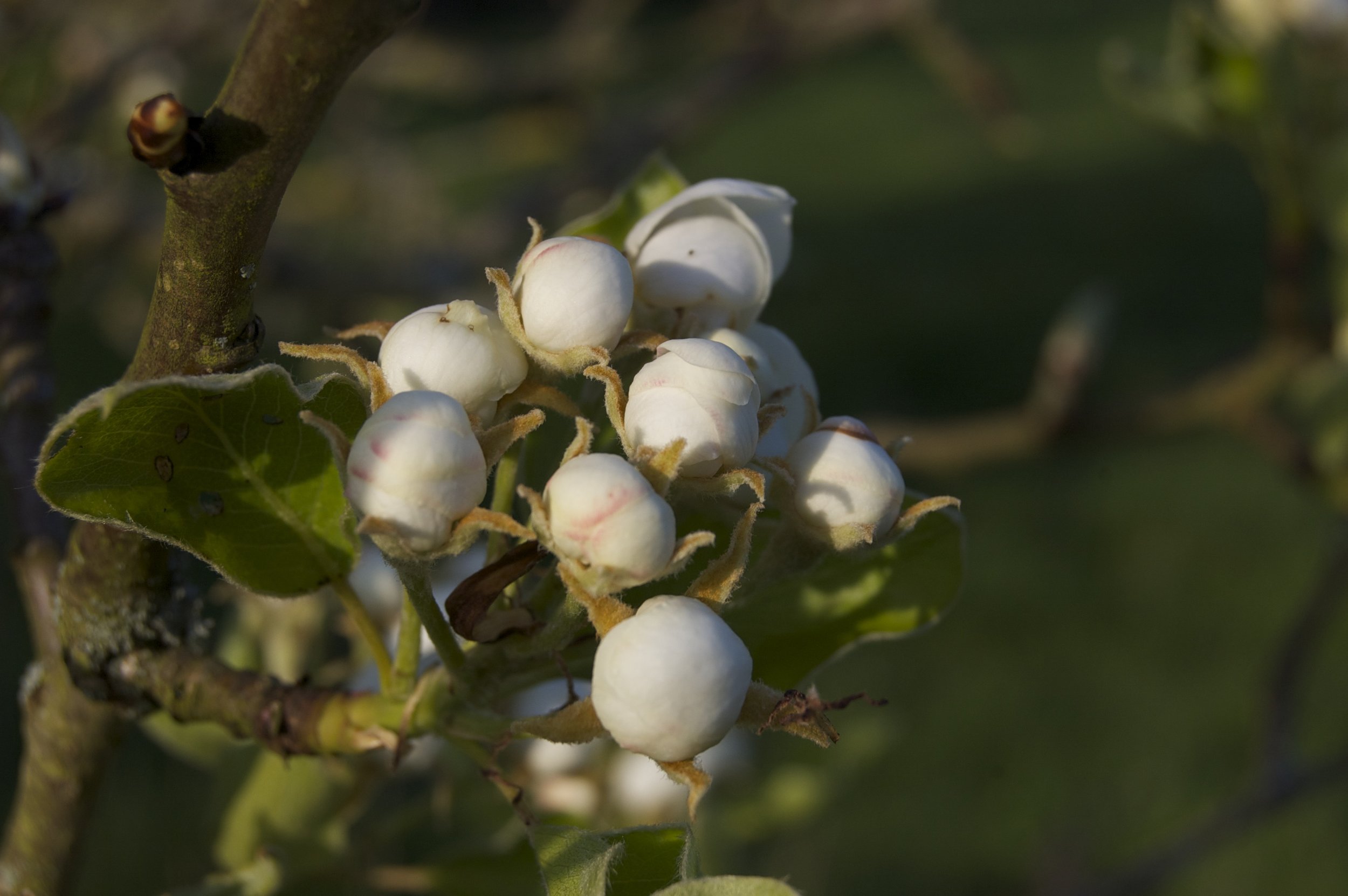
Havens of biodiversity
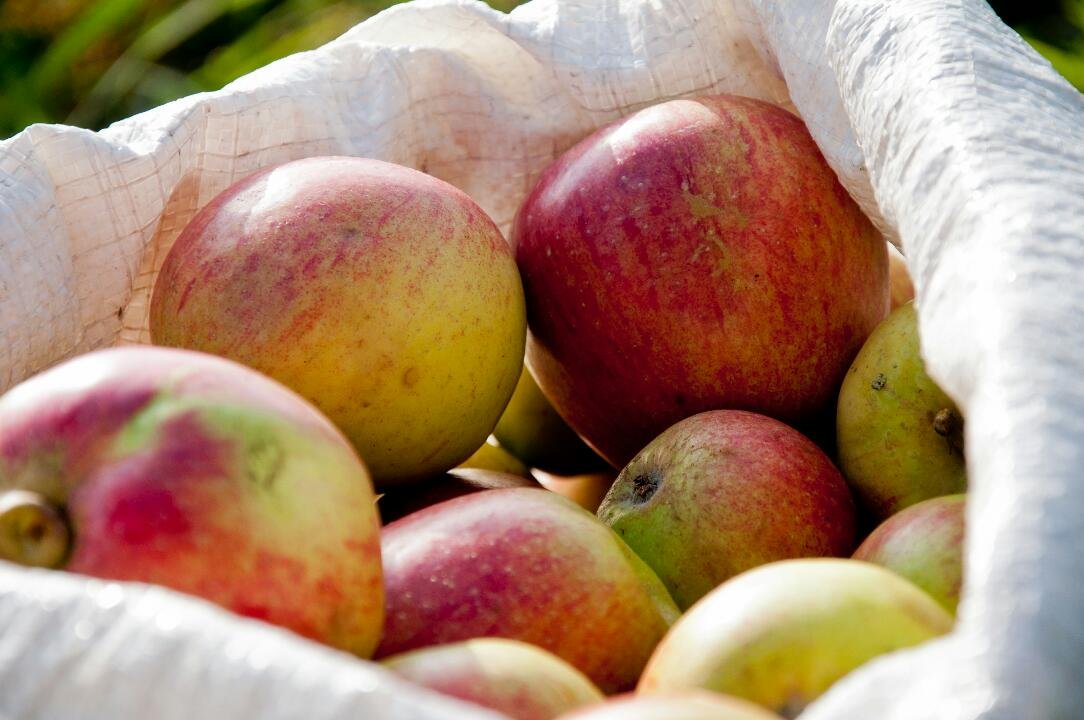
Home to rare varieties of fruit
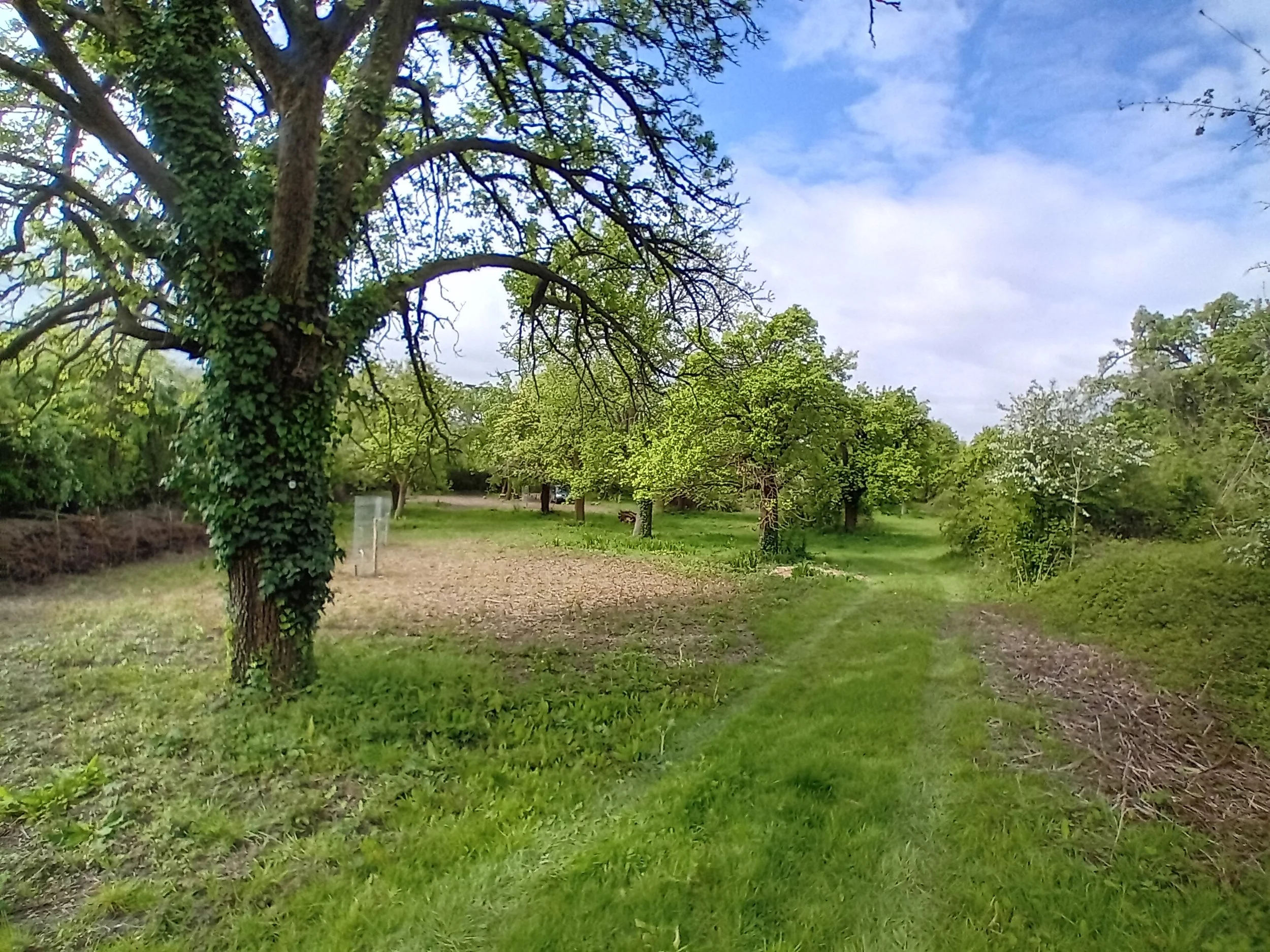
Traditional Orchards
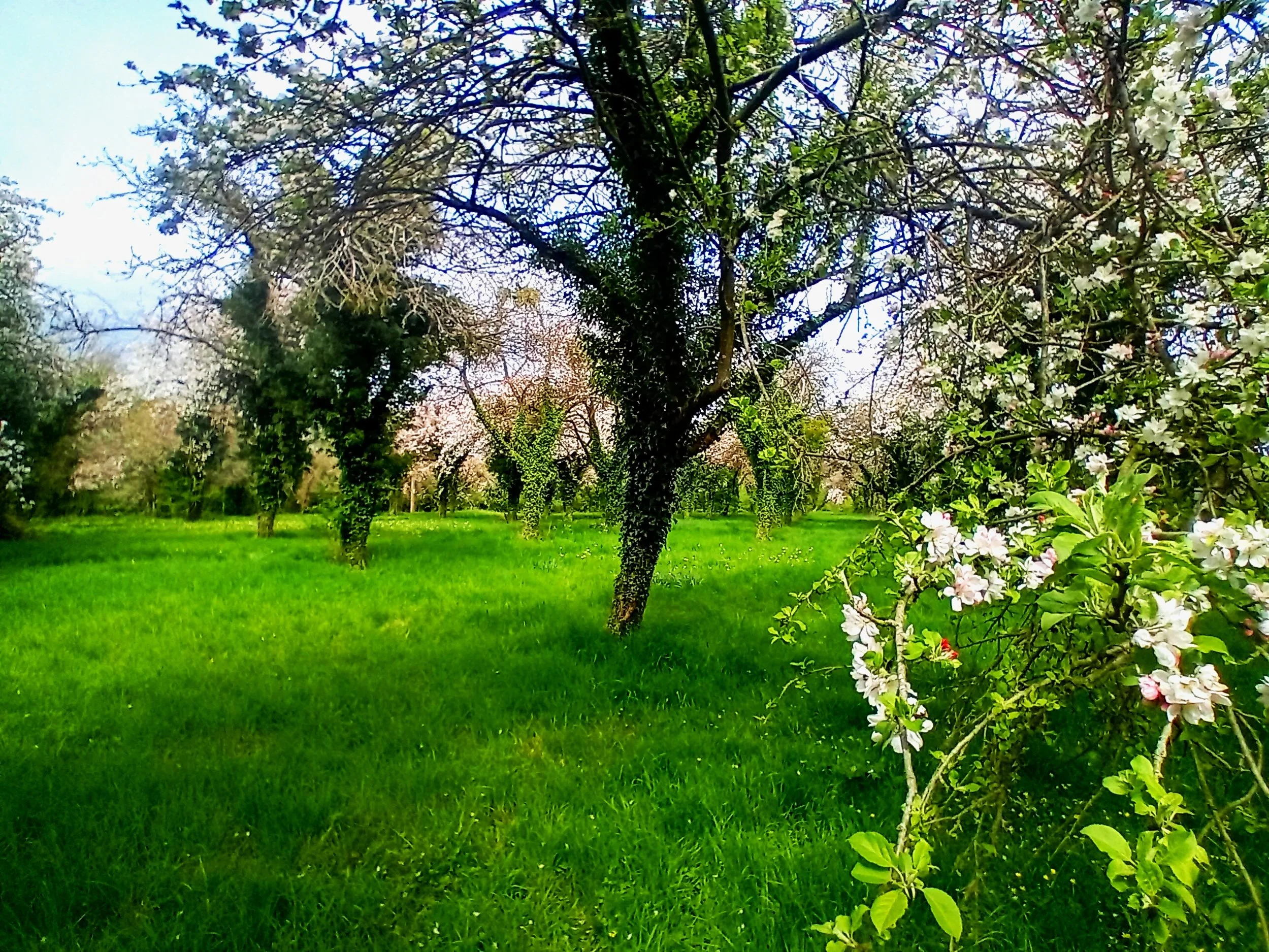
Beautiful part of our landscape
Source of unsprayed fruit
Social spaces
Orchard Services
Orchardist
Having spent years in orchards, we have specialist knowledge of orchards and fruit trees. If you have an orchard, or would like to plant one, we may be able to help.
-
We can plan your new orchard for you, whether it’s a small orchard of just a few trees in a domestic setting, or something much larger, on a commercial scale, running to hundreds of trees.
An initial conversation will lead to a site visit, to assess the topography and aspect of the land, its soil and geology, which will result in a proposal encompassing the suitability of particular genus and recommendations about quantity, rootstock and density, as well as particular varieties.
-
We can source and supply all the trees for you, whether from our own stock of Gloucestershire apple varieties, or other trees from the most respected and reputable suppliers. If required, we can source trees that have been grown organically.
We can supply all the necessary guarding materials, to keep you trees safe from wildlife and livestock.
-
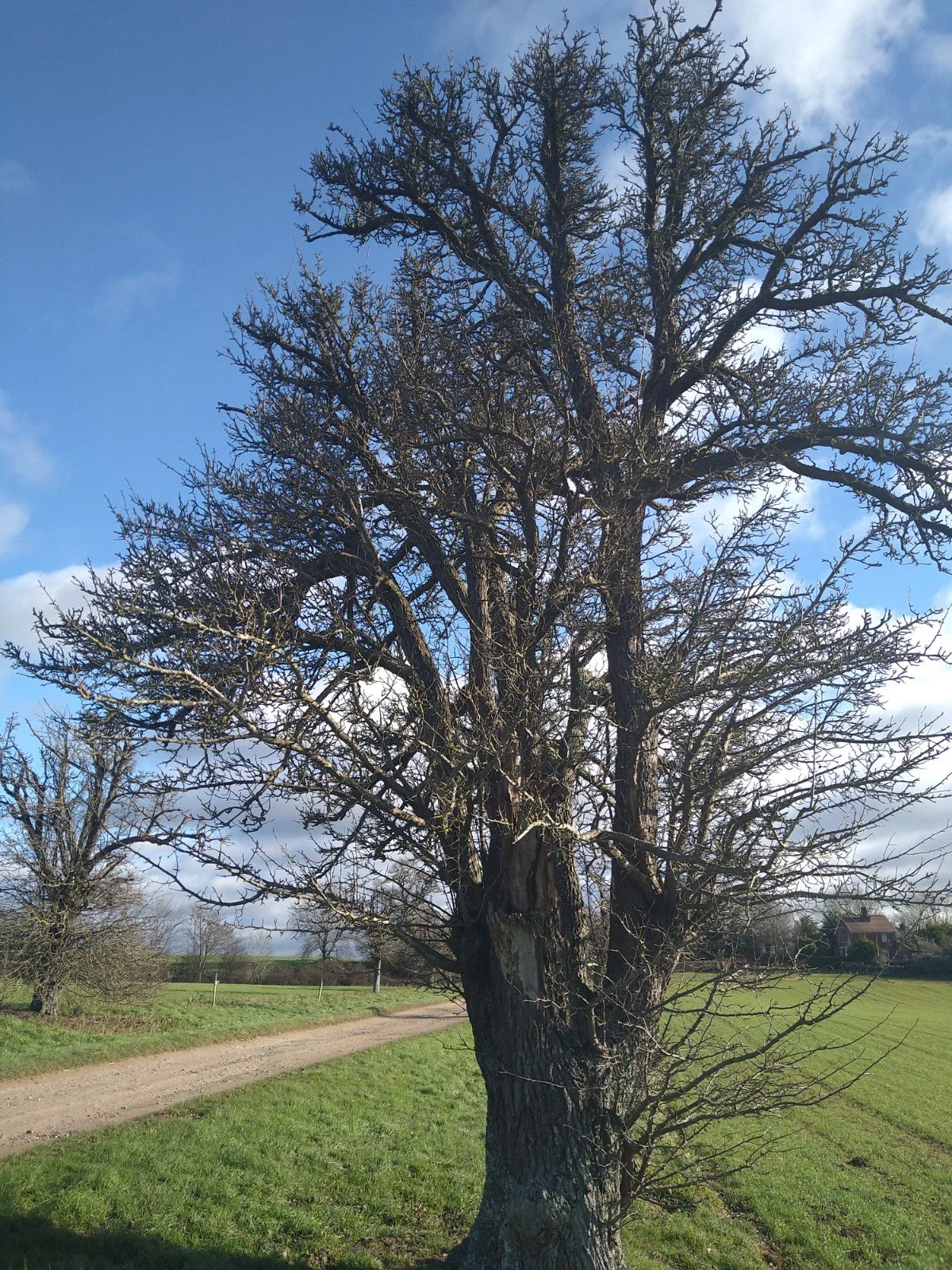
We can prune your fruit trees for you, or offer advice about a pruning schedule. For particularly large trees, we can arrange for well-qualified and expert tree surgeons to assist, people with specialised knowledge of fruit trees.
We can also advise about how to improve the biodiversity value of your orchard and ensure its habitat continuity is maintained.
-
If you’d like to develop your own orchard skills and knowledge, or develop those of your team, we deliver training workshops on all aspects of managing an orchard - planning, planting, guarding, pruning and maintenance.
We have run courses on behalf of the Gloucestershire Orchard Trust, as well as for private clients, and we take great pride in passing on our knowledge to help improve the way in which orchards are looked after.
If you’re interested in knowing more about how we may be able to help, please fill out the form at the bottom of this page.
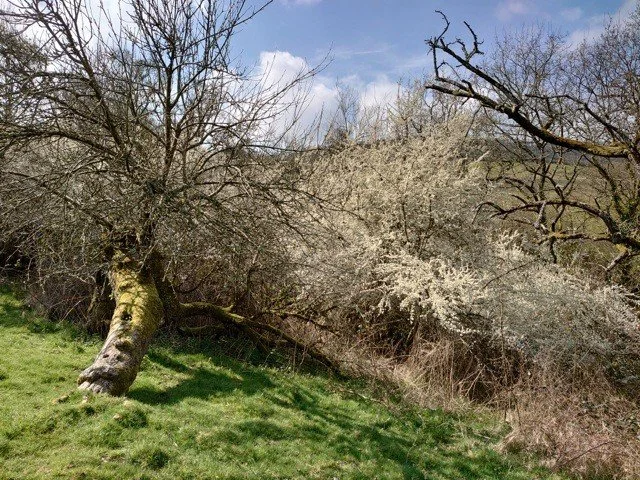
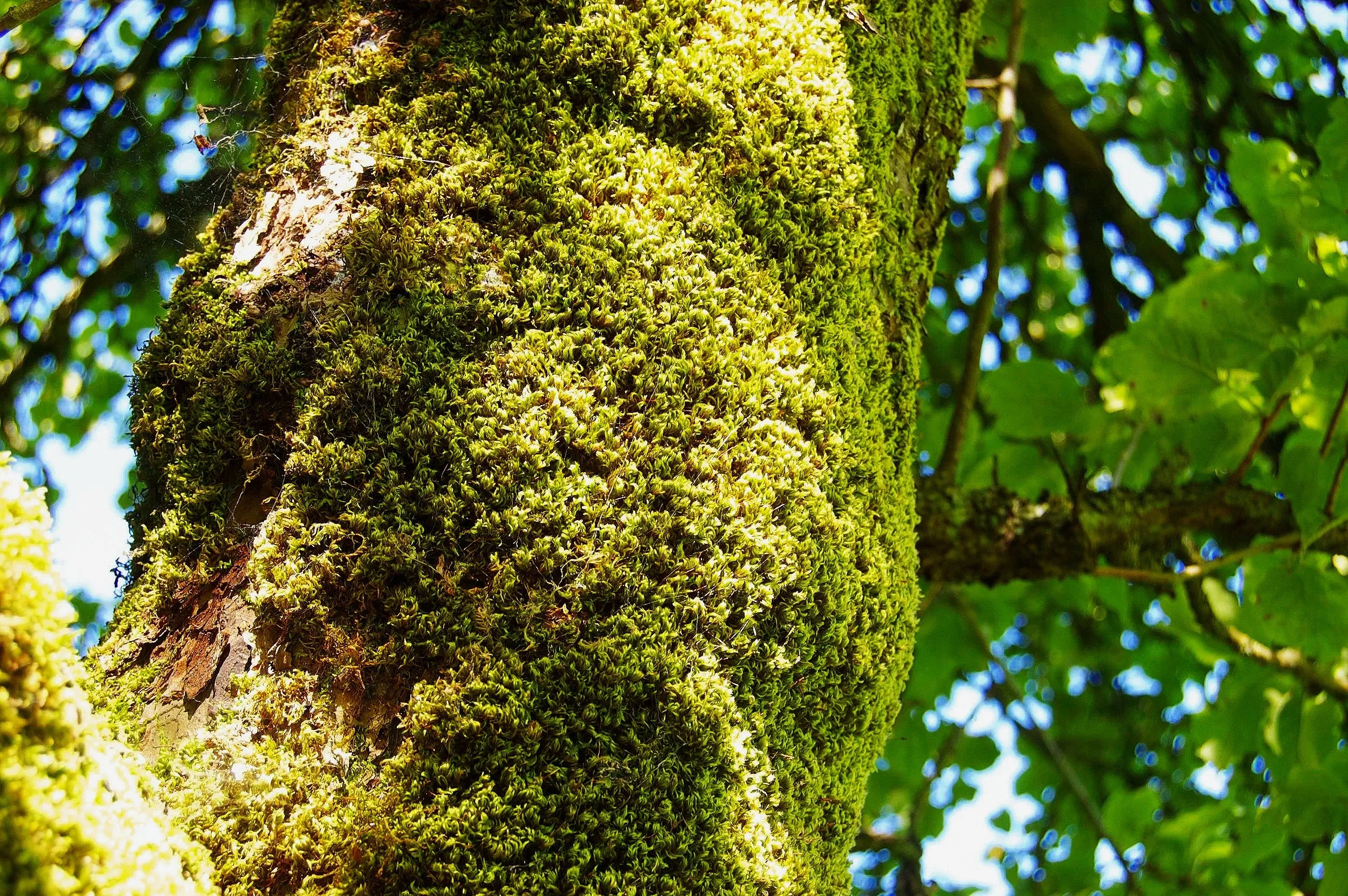
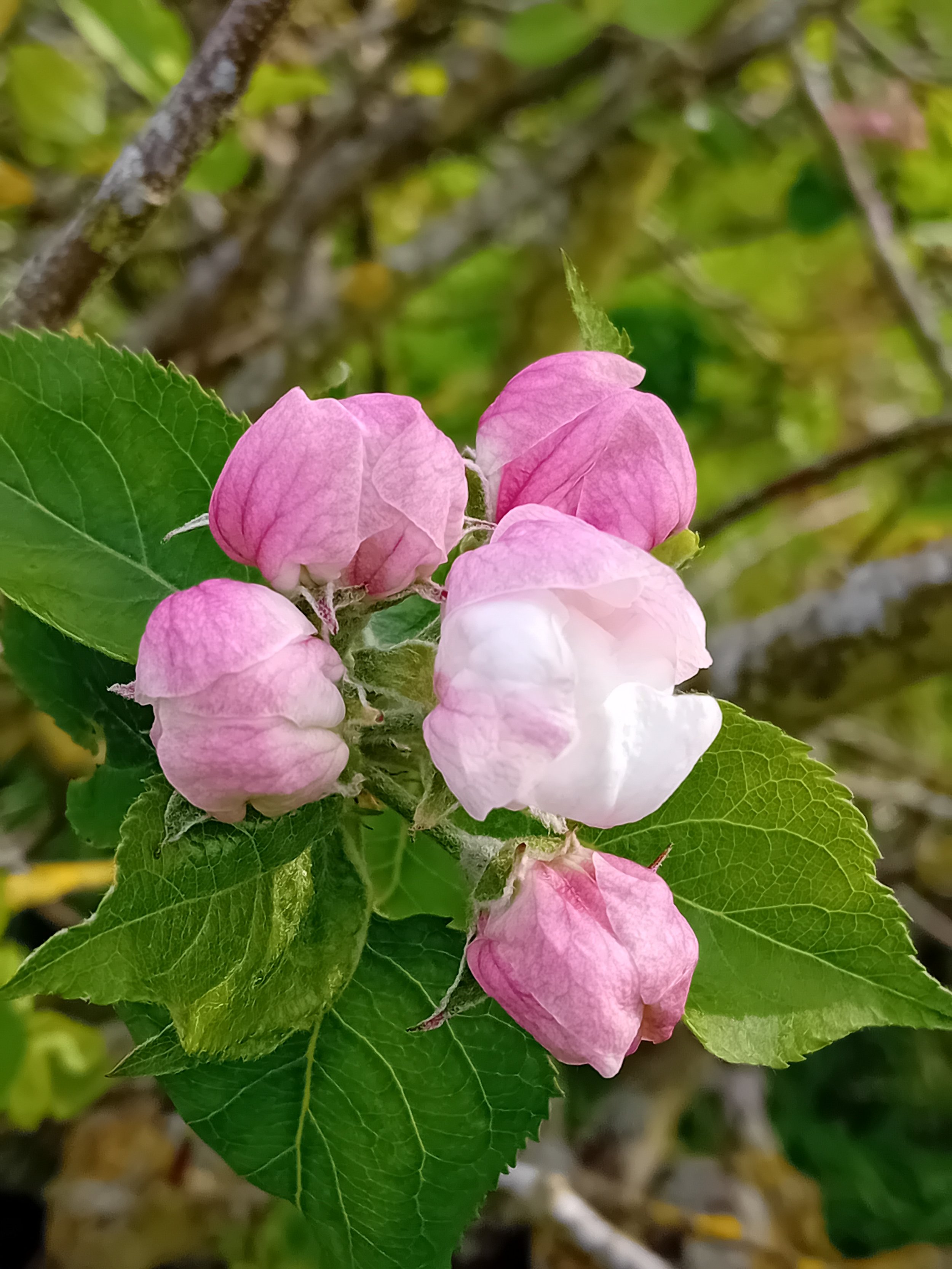
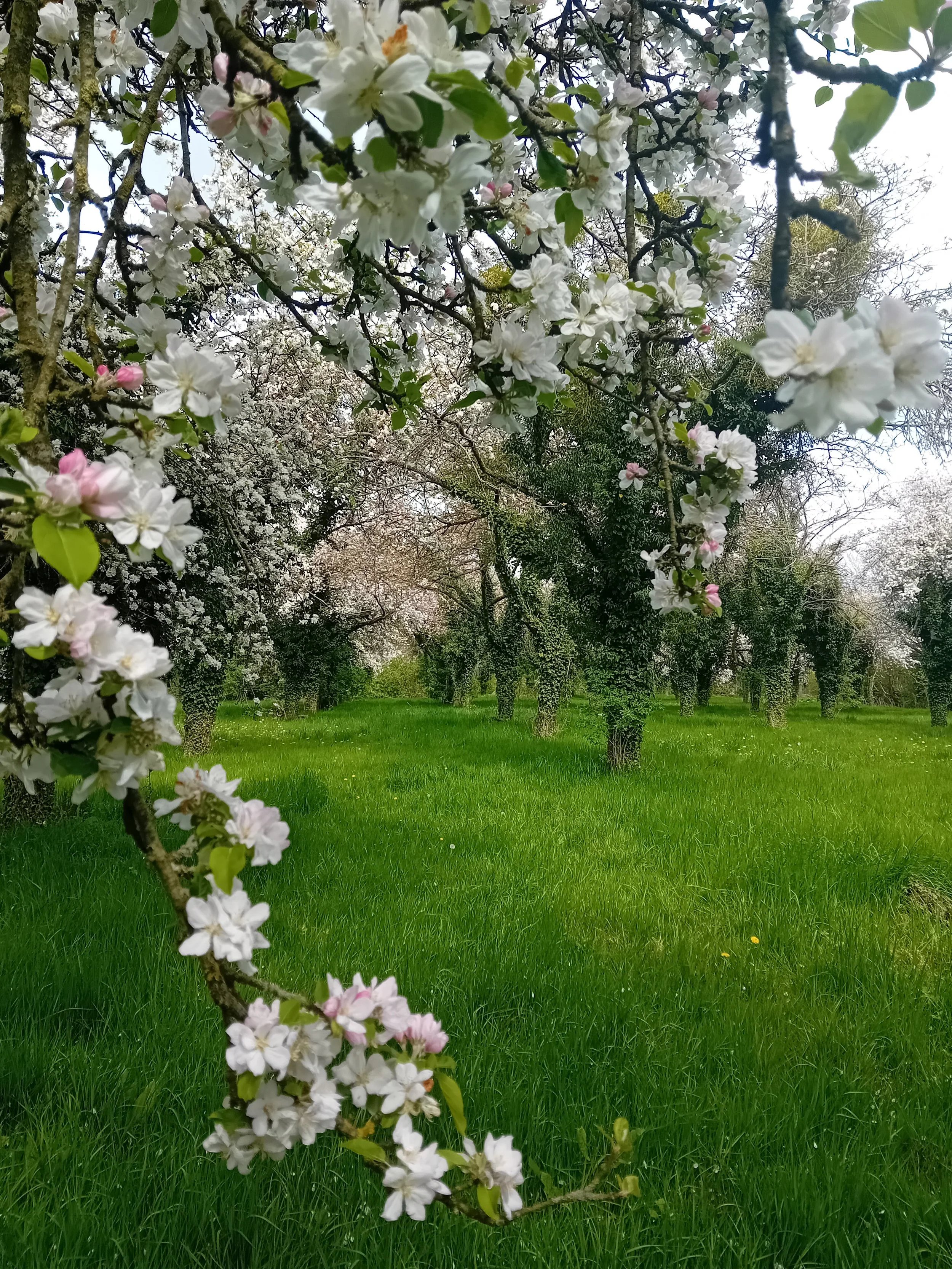
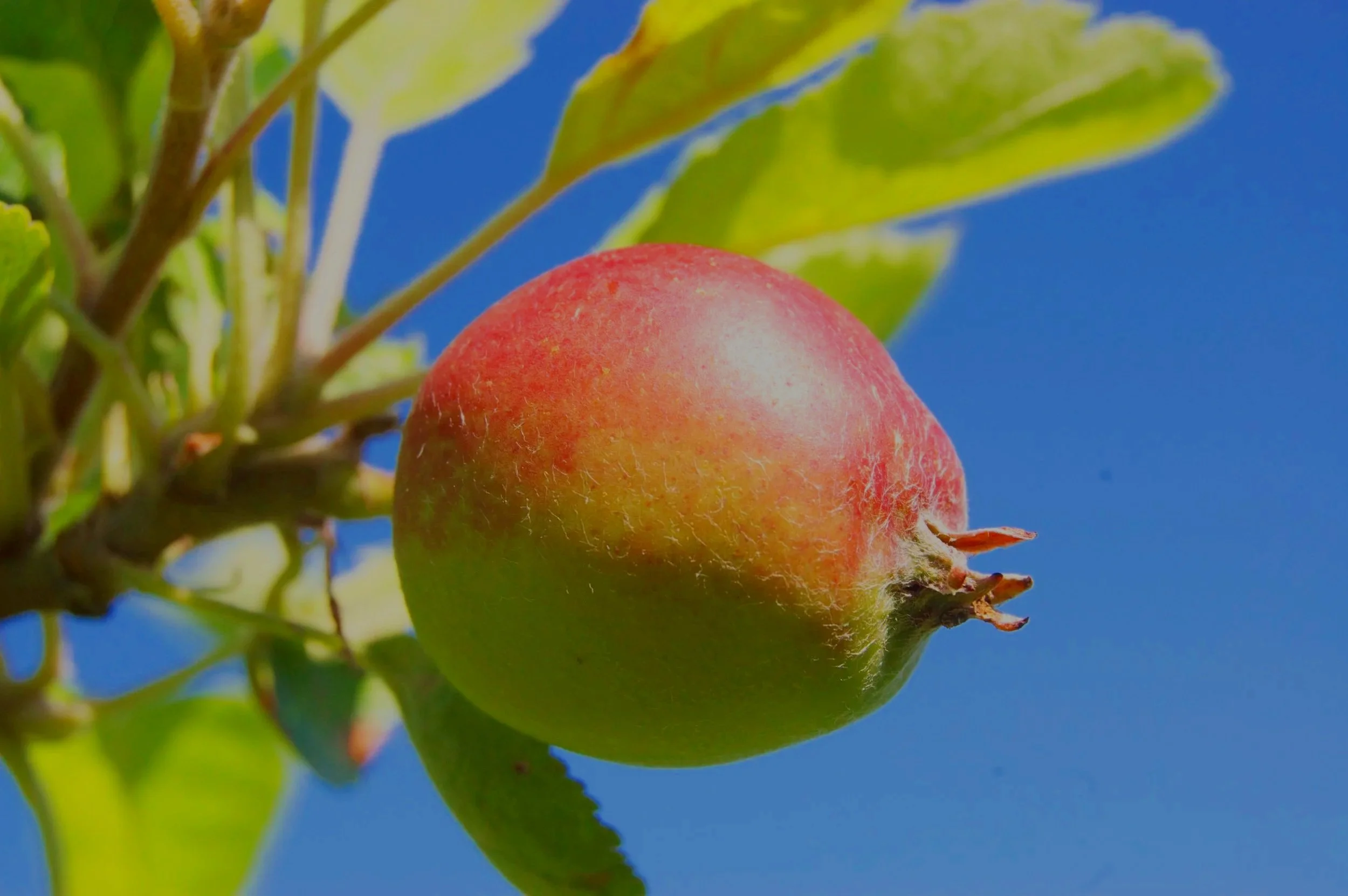
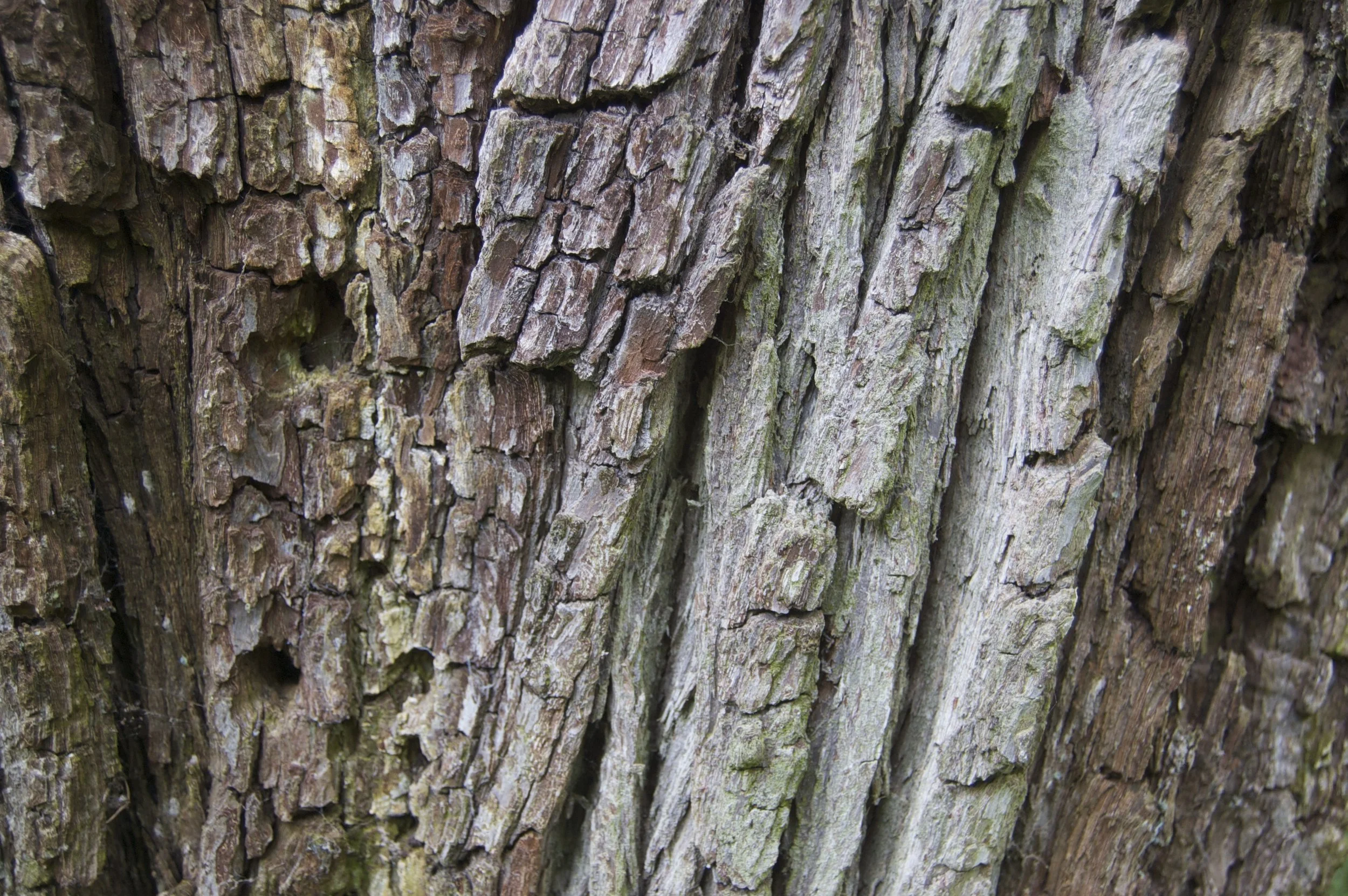
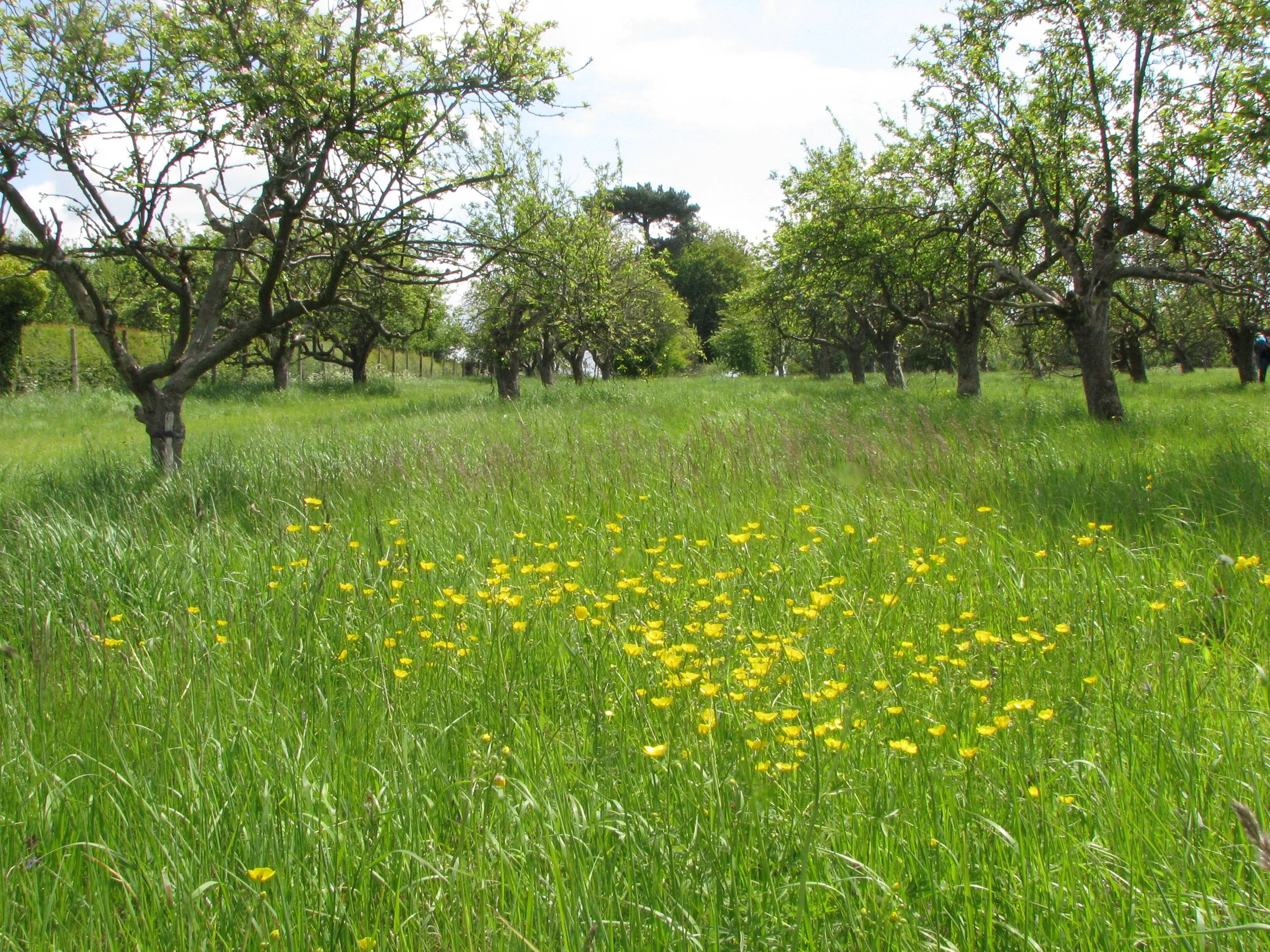
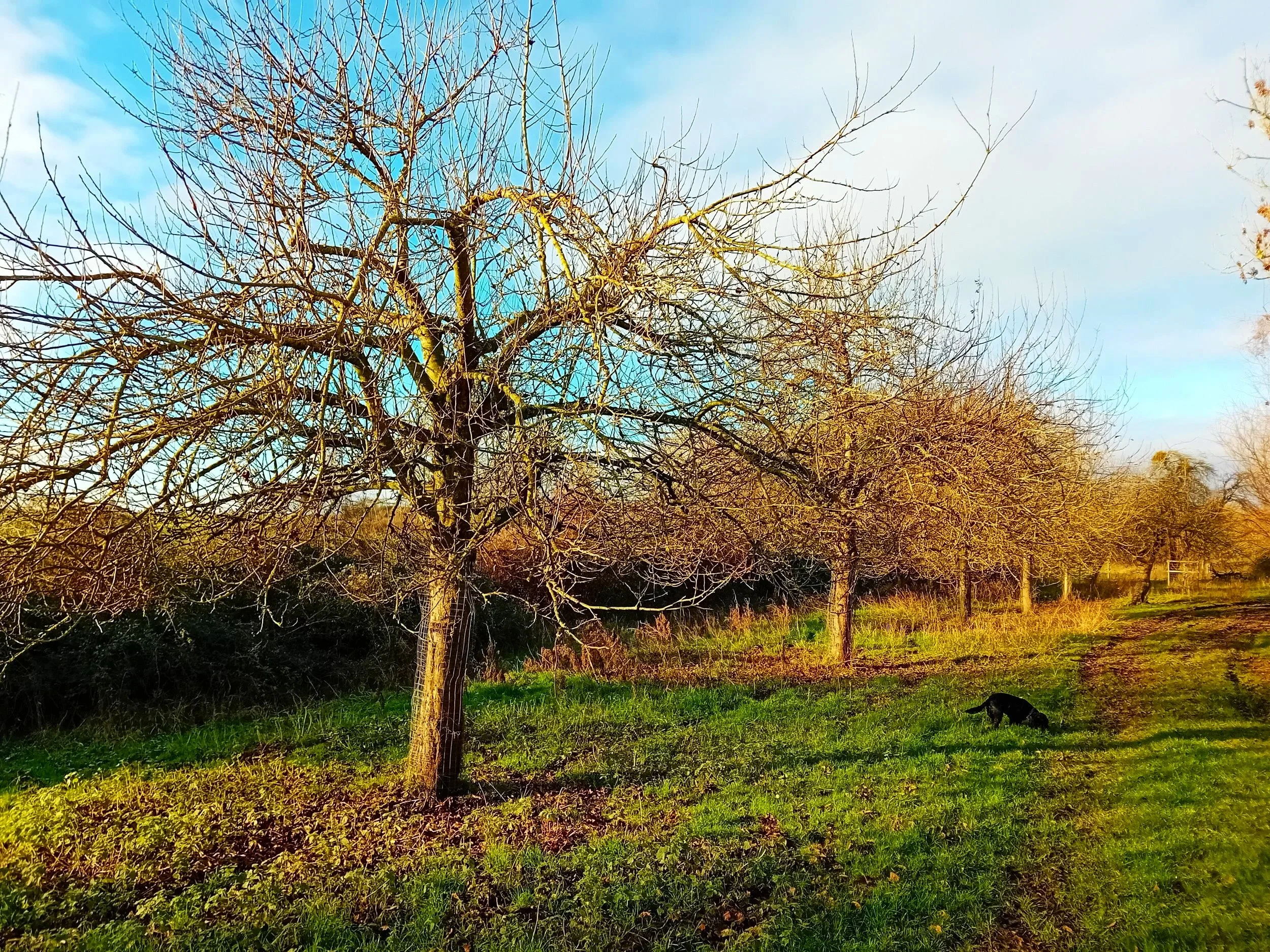
Orchards are havens of biodiversity, home to literally hundreds of species of fauna, flora and funga and in a world where loss of biodiversity is as serious an issue as climate change, traditional orchards take on a significance at odds with their recent decline. Of this once familiar feature of Gloucestershire’s rural landscape, a huge proportion - about 70% - of traditional orchards have disappeared from the county since their zenith in the the 1950s and 1960s, a result of changes in agriculture, urban expansion, as well as the way supermarkets buy fruit … but also in the way cider is made in this country; by far the largest user of apples in the nation, the methods and practises of large cider-makers have a real impact on the relevance, or otherwise, of all orchards, including traditional orchards.
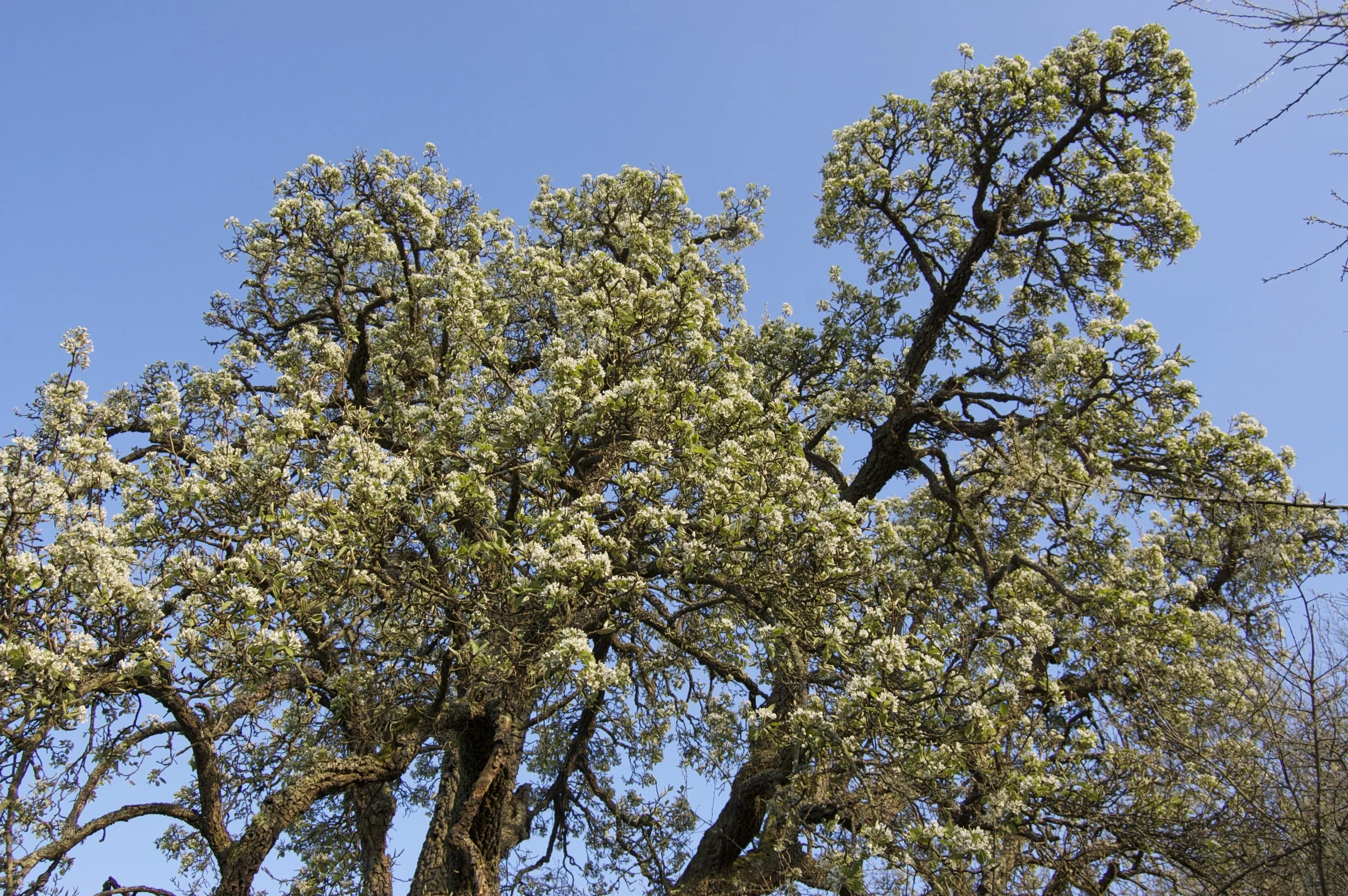
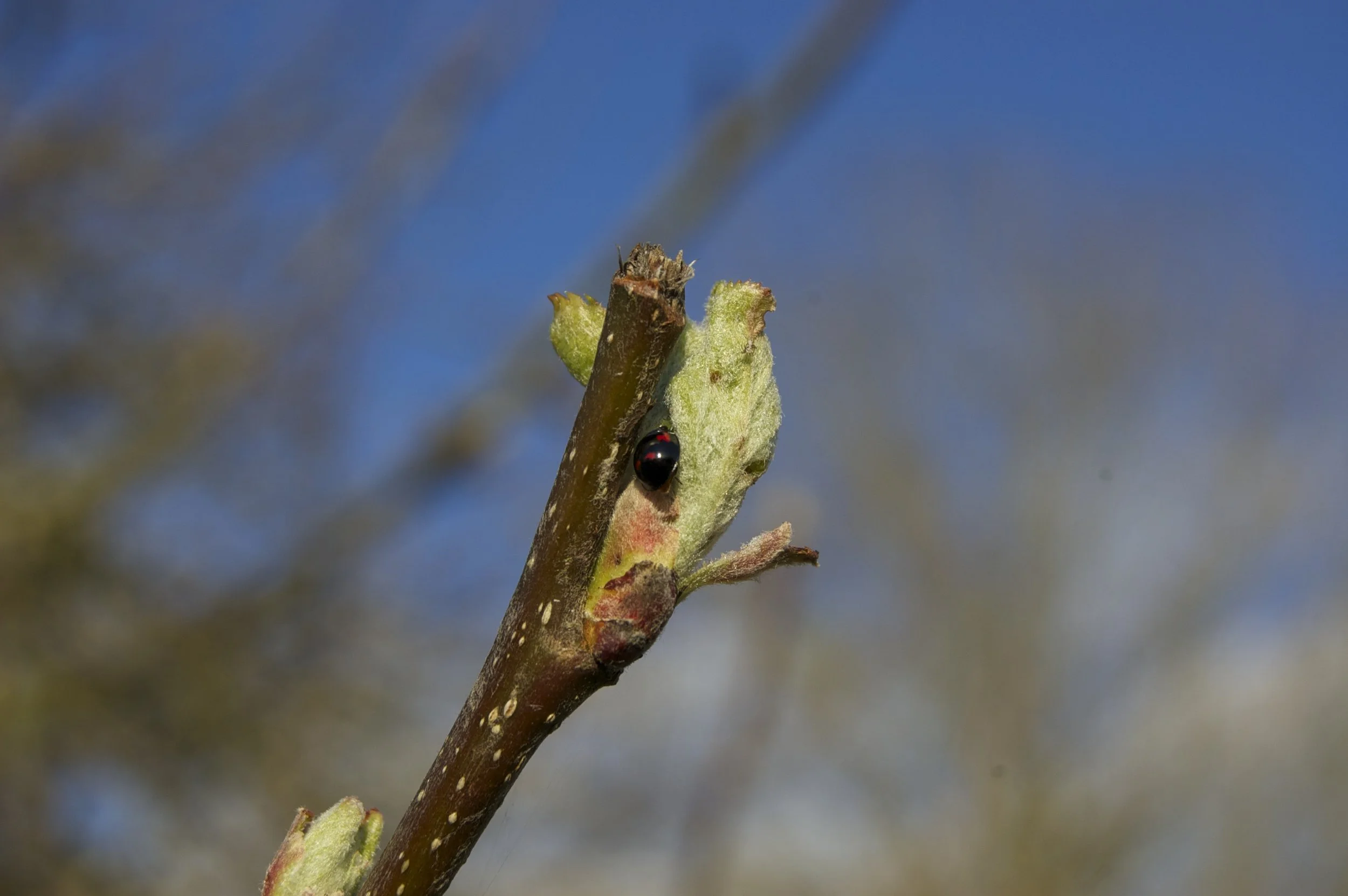
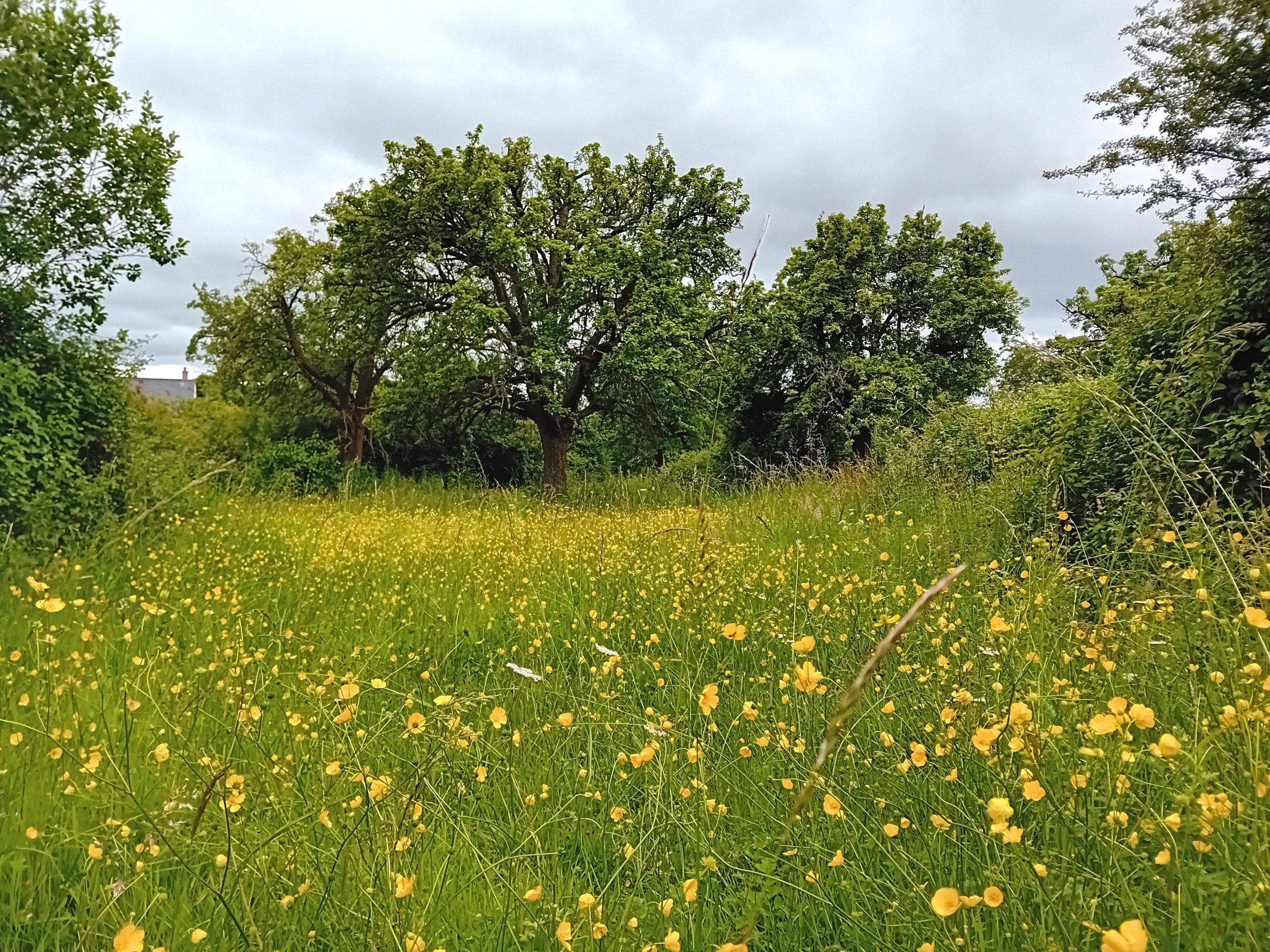
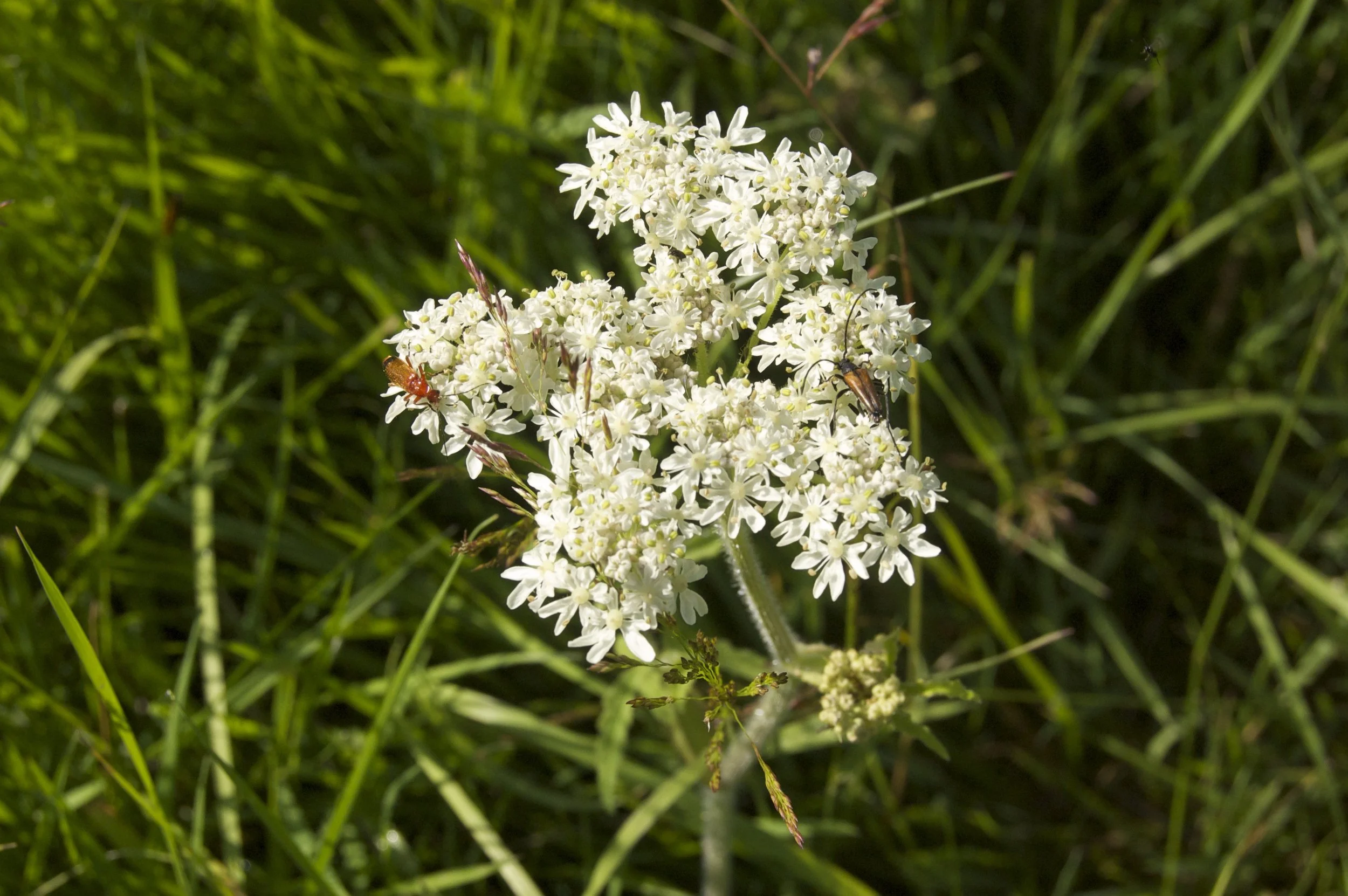
Defined as “a collection of five or more fruit (or nut) trees, planted on vigorous rootstocks at low density within permanent pasture and managed in a low intensity way”, traditional orchards are far more than collections of fruit trees. They are a mosaic of habitats; mosses and lichen thrive on ageing bark, hollow trunks of ancient trees and the nooks and crannies of fast-maturing wood provide invaluable and increasingly rare shelter for birds, bats and all manner of invertebrates. The surrounding wildflower pastures offer sustenance for bees and other pollinators. Scrub, log-piles, fallen trees, the surrounding hedges and the occasional pond provide yet more habitat for myriad creatures that call orchards their home. All told, traditional orchards are one of the most biodiverse habitats in the country, a fact of increasing importance in a country often cited as being one of the most nature depleted nations on Earth.
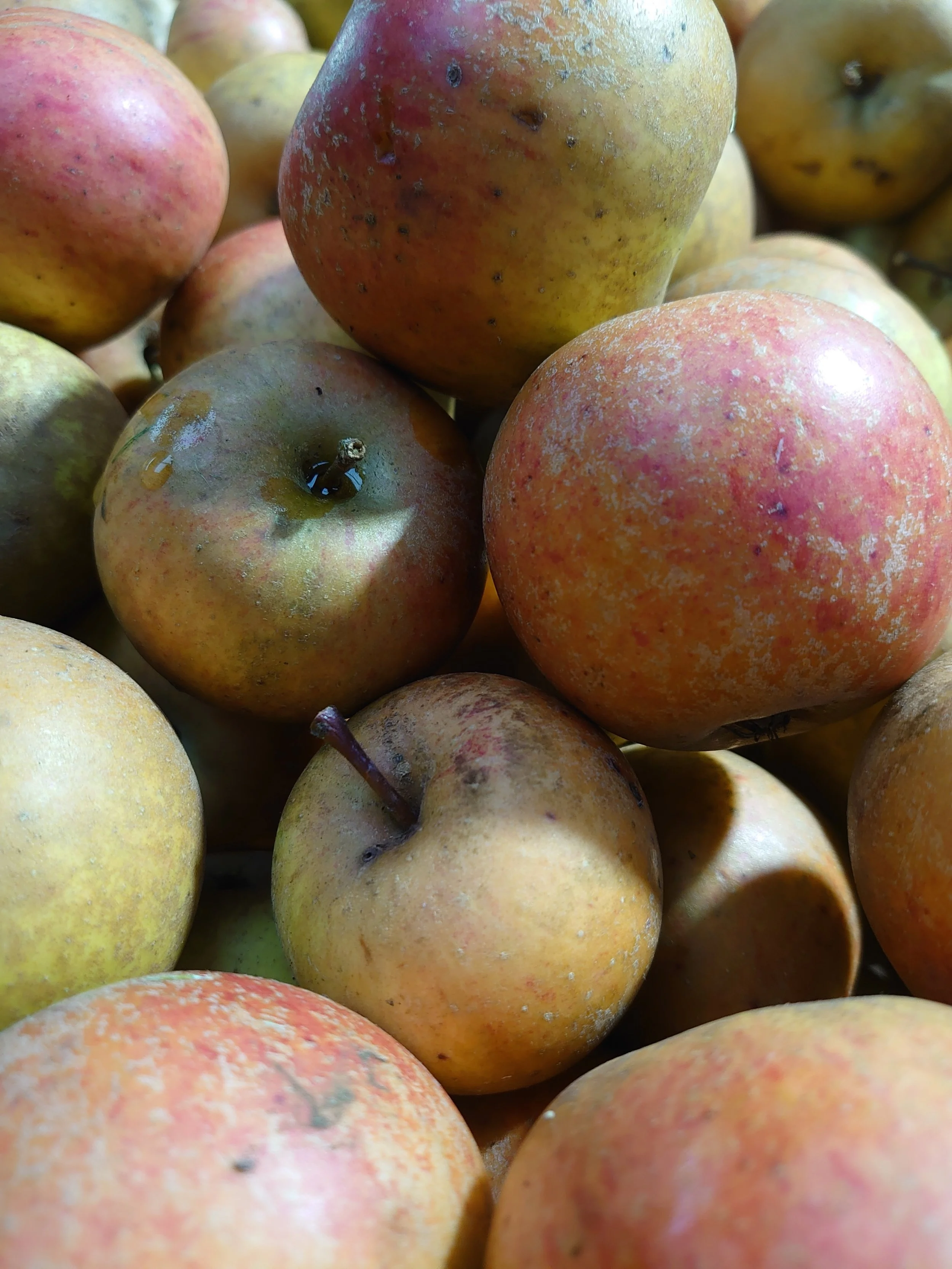
By making cider and juice from fruit gathered from these orchards, we help sustain them. Although small in scale, the simple fact of our existence, our interest in orchards and the unsprayed fruit that comes from them, allied to the resulting purchase of a few tonnes of fruit each year, does make a difference, a reminder to land-owners that their old orchards can still be relevant, are still useful, do still have some financial value, along with their landscape and cultural importance, as well as, of course, their value to wildlife.
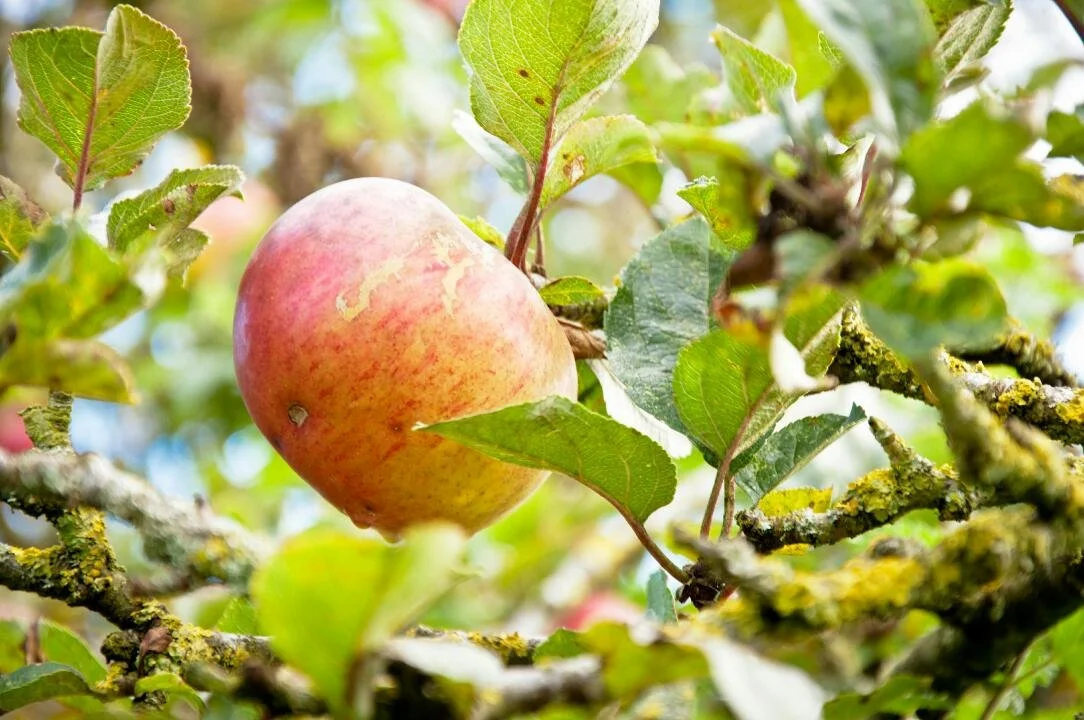
And, as though to repay the favour, these old orchards sustain our interest in cider-making. They are home to rare and unusual varieties of fruit, fruit that reflects the land in which it is grown, the soil and the underlying rock, the shape and slope of the ground, the wind and the weather, also that reflects the place and the people who first discovered these varieties or first raised them, sometimes by accident, but also by way of deliberate effort and experiment. Dymock Red, Cambridge Quoining, Ballast Apple, Ashmead’s Kernel, may not be of any interest to large commercial cider-makers in search of consistency, less complex products and fatter, more expansive bottom-lines, but to us they of of inestimable value, offering difference and rarity and a glimpse into the rich tradition of fruit-growing, not only in Gloucestershire but in surrounding counties as well.
Though the process of harvesting fruit by hand may be slow, laborious and back-breaking, these old orchards are, by and large, beautiful and tranquil places in which to pass the time; productivity may be low, but contentment is high. Whether you think our ciders are good, bad or indifferent, our ciders are a reflection of these ancient orchards and the fruit that comes from them, a product of the geography and geology of Gloucestershire. We hope you enjoy them and think all that slow, laborious, back-breaking work is worthwhile,
Why are we passionate about orchards?
Your orchard: may we be of help?
If our knowledge and experience related to orchards is of interest to you then please get in touch by completing the adjacent form; we’ll respond as soon as we can.